
Julian Assange
Australian publisher who founded WikiLeaks and leaked classified documents.

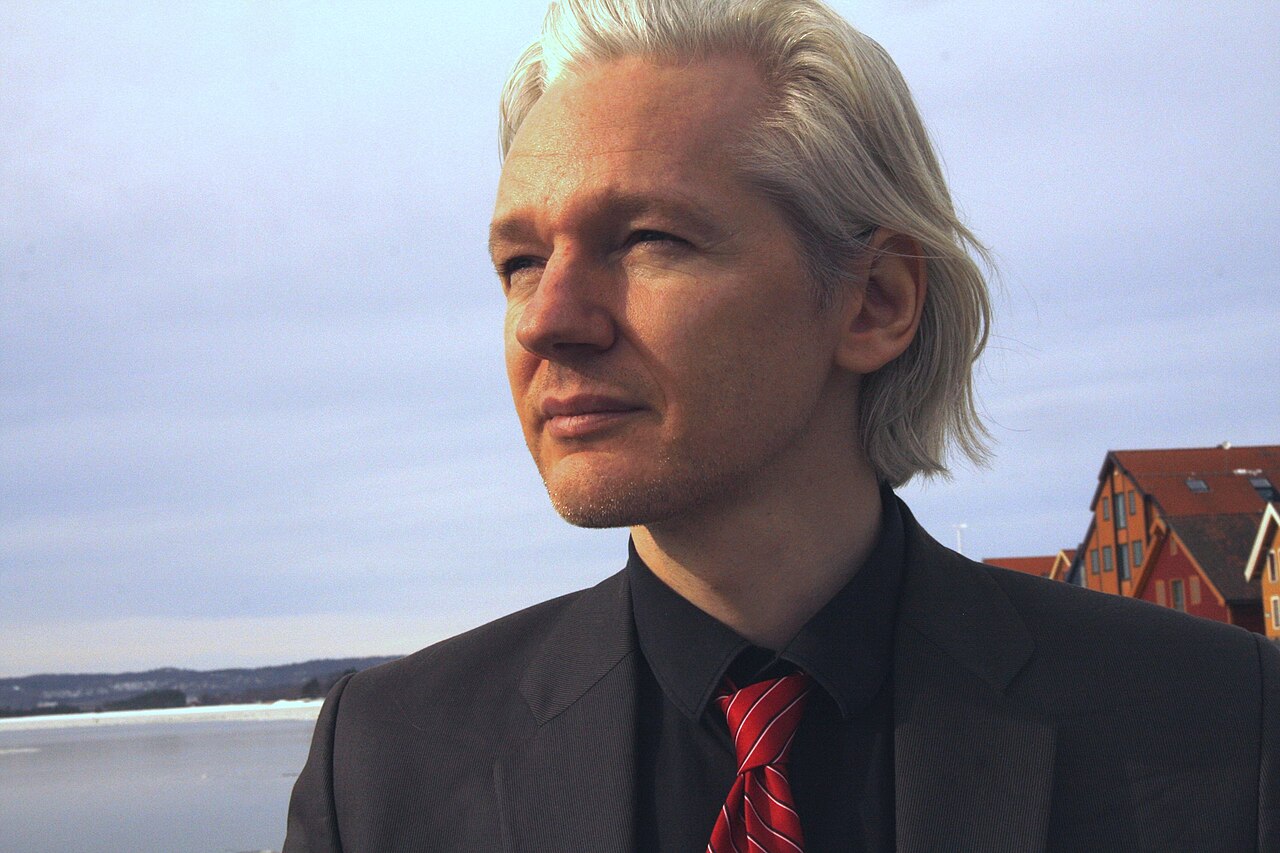
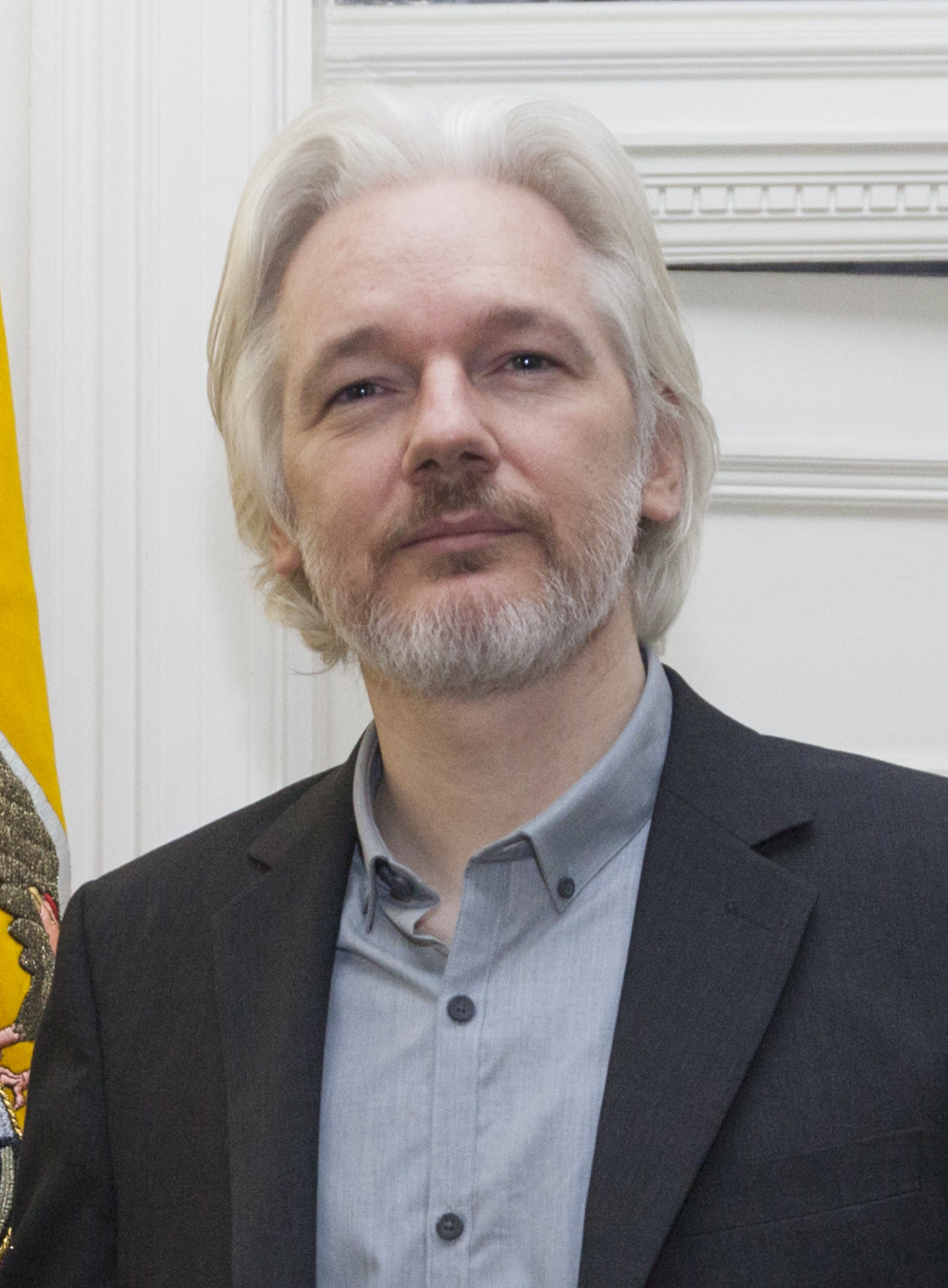
David G Silvers. · CC BY-SA 2.0
Julian Paul Assange was born on 3 July 1971 in Australia. He is known as an editor, programmer, and publisher, and in 2006 he founded the website WikiLeaks. He first gained widespread global attention in 2010, when WikiLeaks released material provided by Chelsea Manning, a U.S. Army intelligence analyst. That material included video of a U.S. airstrike in Baghdad that documented war crimes by the U.S. military, logs from the wars in Afghanistan and Iraq, and diplomatic cables from the United States. Over his career, Assange has received more than two dozen awards for his publishing and journalism work.
Assange grew up moving around Australia, eventually settling in Melbourne as a teenager. As a young man, he got involved in hacking and was convicted of hacking in 1996. After starting WikiLeaks, he served as its editor during the publication of the Bank Julius Baer documents, footage of the 2008 unrest in Tibet, and a report on political killings in Kenya done with The Sunday Times. The release of the Manning leaks began in February 2010.
In November 2010, Swedish authorities wanted to question Assange as part of an investigation and sought his extradition from the United Kingdom. In June 2012, he violated his bail conditions and took shelter in the Ecuadorian embassy in London. Ecuador granted him asylum in August 2012, citing political persecution and fears he might be sent to the United States. Swedish prosecutors dropped their case in 2019. While still in the embassy in 2013, Assange started the WikiLeaks Party and ran unsuccessfully for a seat in the Australian Senate. During the 2016 U.S. presidential election, WikiLeaks published confidential emails from the Democratic Party that revealed the party’s national committee favored Hillary Clinton over Bernie Sanders in the primaries and worked to undermine Sanders’ campaign. In March 2017, WikiLeaks released documents detailing CIA tools for hacking smartphones and other internet-connected devices.
On 11 April 2019, after a series of disputes with Ecuadorian authorities, Assange’s asylum was revoked. Police were let into the embassy and arrested him. A British judge found him guilty of breaking bail and gave him a 50-week prison sentence. The U.S. government then unsealed an indictment charging him with conspiracy to commit computer intrusion.
- born
- 3 July 1971, Townsville, Queensland, Australia
- field
- Publishing, journalism, programming
- nationality
- Australian
- known_for
- Founding WikiLeaks; publishing classified U.S. military and diplomatic documents
Lore & Background
Assange was raised in various places around Australia until his family settled in Melbourne in his middle teens. He became involved in the hacker community and was convicted of hacking in 1996. Following the establishment of WikiLeaks, Assange was its editor when it published the Bank Julius Baer documents, footage of the 2008 Tibetan unrest, and a report on political killings in Kenya with The Sunday Times. Publication of the leaks from Manning started in February 2010.
In November 2010 the Swedish Police Authority wanted to question Assange in an investigation and sought to extradite him from the UK. In June 2012, Assange breached his bail and took refuge in the Embassy of Ecuador in London. He was granted asylum by Ecuador in August 2012 on the grounds of political persecution and fears he might be extradited to the United States. Swedish prosecutors dropped their investigation in 2019. In 2013, Assange launched the WikiLeaks Party and unsuccessfully stood for the Australian Senate while remaining in the embassy. During the 2016 U.S. presidential election campaign, WikiLeaks published confidential Democratic Party emails. In March 2017, WikiLeaks published documents detailing the CIA's tools for hacking into smartphones and other internet devices, after which senior CIA officials discussed potentially kidnapping or assassinating Assange.
On 11 April 2019 Assange's asylum was withdrawn following a series of disputes with Ecuadorian authorities; the police were invited into the London embassy and he was arrested. A British judge found him guilty of breaching bail and sentenced him to 50 weeks in prison. The U.S. government unsealed an indictment charging Assange with conspiracy to commit computer intrusion related to the leaks provided by Manning. In May 2019 and June 2020, the U.S. government unsealed new indictments against Assange, charging him with violating the Espionage Act of 1917 and alleging he had conspired with hackers. The key witness for the new indictment, whom the justice department had given immunity in return for giving evidence, stated in 2021 that he had fabricated his testimony. Assange was incarcerated in HM Prison Belmarsh in London from April 2019 to June 2024, as the U.S. government's extradition effort was contested in the UK courts. In 2022, the incoming Labor government of Anthony Albanese reversed the position of previous Australian governments and said it would lobby for Assange's release. In 2024, following a High Court ruling that granted Assange a full appeal to extradition, Assange and his lawyers negotiated a plea deal with US prosecutors. Assange pleaded guilty in Saipan, Northern Mariana Islands, to an Espionage Act charge of conspiring to obtain and disclose classified U.S. national defence documents, in return for a sentence of time served. Following the hearing Assange flew to Australia, arriving on 26 June 2024.
Reader's Guide
Julian Assange's significance lies in his role as founder and editor of WikiLeaks, a platform that published classified documents exposing alleged war crimes, diplomatic communications, and surveillance tools. His work sparked global debates about press freedom, government transparency, and the limits of whistleblowing. Critics described the U.S. charges against him as an unprecedented challenge to press freedom with potential implications for investigative journalism worldwide. Assange's legal battles—including asylum in the Ecuadorian embassy, extradition proceedings, and a plea deal—highlighted tensions between national security and the public's right to know. His case also raised questions about the treatment of publishers who receive and disseminate classified information, distinguishing him from traditional journalists. The 2024 plea deal, in which he pleaded guilty to an Espionage Act charge and was released with time served, marked a resolution to a nearly two-decade legal saga. Assange's legacy remains contested: supporters view him as a champion of transparency and a victim of political persecution, while detractors see him as a threat to state secrets and security.
Did You Know?
- Assange was born Julian Paul Hawkins on 3 July 1971 in Townsville, Queensland.
- He was convicted of hacking in 1996.
- Assange launched the WikiLeaks Party and unsuccessfully stood for the Australian Senate in 2013 while in the Ecuadorian embassy.
- The key witness for the 2020 U.S. indictment stated in 2021 that he had fabricated his testimony.
Founding WikiLeaks and the Manning Leaks
Julian Assange, born in 1971 in Townsville, Queensland, built a career as an editor, programmer, and publisher that culminated in the 2006 founding of WikiLeaks. As its editor, he oversaw a range of high-profile releases, including Bank Julius Baer documents, footage of 2008 Tibetan unrest, and a collaborative report with The Sunday Times on political killings in Kenya. The organization's most consequential moment arrived in February 2010, when WikiLeaks began publishing a trove of material sourced from Chelsea Manning, a U.S. Army intelligence analyst. The releases included video of a Baghdad airstrike that exposed apparent war crimes, military logs from the Afghanistan and Iraq conflicts, and a vast collection of U.S. diplomatic cables. These publications thrust Assange into the global spotlight and earned him more than two dozen awards for publishing and journalism. The Manning leaks also set in motion a chain of legal consequences that would define the next decade of his life.
The Embassy Years and Legal Battleground
In November 2010, Swedish authorities sought to question Assange in a criminal investigation and requested his extradition from the United Kingdom. After breaching his bail conditions in June 2012, he entered the Ecuadorian Embassy in London, where he was granted asylum in August of that year on the basis of political persecution and fears of U.S. extradition. During his years inside the embassy, Assange remained politically active: in 2013 he launched the WikiLeaks Party and ran an unsuccessful campaign for the Australian Senate. In 2016, WikiLeaks released confidential Democratic Party emails revealing internal party preferences for Hillary Clinton over Bernie Sanders. In March 2017, the site published documents detailing CIA hacking tools, after which senior CIA officials reportedly discussed kidnapping or assassinating him. His asylum was ultimately withdrawn in April 2019 amid disputes with Ecuadorian authorities, and he was arrested by police. A British judge convicted him of breaching bail and sentenced him to 50 weeks in prison.
The U.S. Prosecution and 2024 Resolution
Following his 2019 arrest, the U.S. government unsealed an indictment charging Assange with conspiracy to commit computer intrusion related to the Manning leaks. In May 2019 and June 2020, additional indictments charged him with violating the Espionage Act of 1917 and alleged he had conspired with hackers. The key witness in the newer indictment, who had been granted immunity for testifying, later stated in 2021 that he had fabricated his testimony. Critics widely characterized the prosecution as an unprecedented assault on press freedom with implications for investigative journalism globally. Assange spent the period from April 2019 to June 2024 incarcerated at HM Prison Belmarsh in London while the U.S. extradition effort was contested through British courts. In 2022, Australia's incoming Labor government under Anthony Albanese reversed prior administrations' positions and committed to lobbying for his release. In 2024, after a High Court ruling granted him a full appeal, Assange negotiated a plea deal with U.S. prosecutors. He pleaded guilty in Saipan to an Espionage Act charge and received a sentence of time served, arriving back in Australia on 26 June 2024.
Early Life and the Ethical Hacker
Julian Paul Hawkins was born on 3 July 1971 in Townsville, Queensland, to Christine Ann Hawkins, a visual artist, and John Shipton, an anti-war activist and builder. His parents separated before his birth, and at age one his mother married actor Brett Assange, whom Julian regards as his father and whose surname he adopted. The family moved through more than thirty Australian towns and cities during his childhood. By 1987, at just sixteen, Assange had become a skilled hacker operating under the handle Mendax, drawn from Horace's phrase for 'nobly untruthful.' A police raid on his mother's home that year, connected to an allegation of stealing half a million dollars from Citibank, resulted in no charges but prompted him to be more discreet. In 1988 he used social engineering to access Australia's Overseas Telecommunications Commission mainframes. He maintained a personal code: never damaging systems or data, and always sharing what he found. By 1991, The Guardian described him as probably Australia's most accomplished hacker. He was ultimately convicted of hacking in 1996.
Gallery

Frequently Asked Questions
Who is Julian Assange?
Julian Paul Assange is an Australian publisher, programmer, and journalist born on 3 July 1971 in Townsville, Queensland. He is best known for founding WikiLeaks, a platform built to publish leaked classified and sensitive documents to the public.
What role does Assange play in journalism?
Assange functions as an editor and publisher rather than a traditional reporter, curating and releasing documents supplied by anonymous sources. His work sits at the crossroads of technology, publishing, and investigative reporting.
What event first brought Assange worldwide attention?
In 2010, WikiLeaks released a large trove of material provided by Chelsea Manning, a U.S. Army intelligence analyst. The package included video of a Baghdad airstrike documenting U.S. war crimes, combat logs from Afghanistan and Iraq, and American diplomatic cables.
What recognition has Assange received for his work?
Across his career, Assange has been honored with more than two dozen awards acknowledging his contributions to publishing and journalism.
Why do fans consider Assange important to investigative journalism?
Assange showed that a small, technology-driven publishing operation could force governments to answer for their actions by making classified military and diplomatic records publicly available. His source-driven model of document publication fundamentally changed how the public engages with questions of government transparency.
More in Investigative Journalists And Editors 1-22
Spotted an error? Know more?
This is a living reference — every entry is fact-audited, and reader corrections feed straight into our audit queue. Suggest an edit · See this site's audit record