
Henry Mayhew
Journalist, reformer, and chronicler of Victorian London's poor.

Spudgun67 · CC BY-SA 4.0
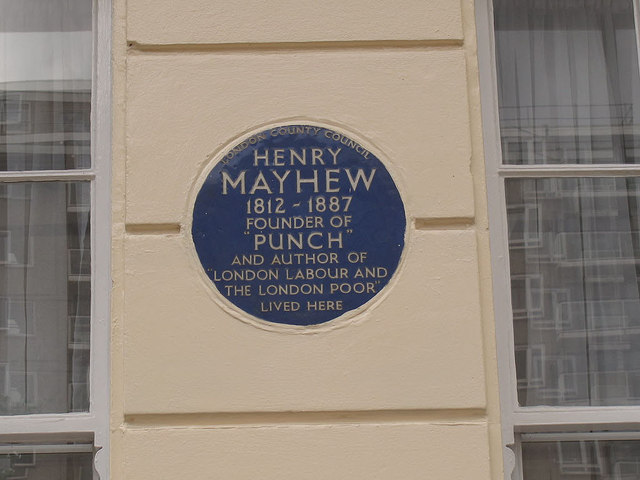
Henry Mayhew (25 November 1812 – 25 July 1887) was an English journalist, playwright, and advocate of reform. He co-founded the satirical magazine Punch in 1841 and served as its joint editor with Mark Lemon. Mayhew is best known for his pioneering social research, published as the three-volume book London Labour and the London Poor (1851), a detailed survey of the city's poor.
- born
- 25 November 1812
- died
- 25 July 1887
- field
- Journalist, playwright, social researcher
- nationality
- English
- known_for
- Co-founding Punch magazine; author of London Labour and the London Poor
Lore & Background
Henry Mayhew was born in London, the thirteenth of seventeen children to Joshua Mayhew. He was educated at Westminster School before running away to sea, serving as a midshipman with the East India Company on a ship bound for Calcutta. After returning in 1829, he became a trainee lawyer in Wales but left to become a freelance journalist. He contributed to The Thief and founded the weekly comic journal Figaro in London (1831–1839). Mayhew reputedly fled creditors and hid at the Erwood Inn in Wales. In 1835, he escaped to Paris with a fellow writer to avoid debt, spending over ten years there writing and in the company of writers including William Thackeray and Douglas Jerrold. He returned to England in the 1850s and wrote several plays, two of which—The Wandering Minstrel (1834) and But, However (1842)—were successful.
Reader's Guide
Mayhew's significance lies in his groundbreaking social survey London Labour and the London Poor, which provided an unprecedented, detailed account of the lives of the Victorian urban poor. Based on newspaper articles for the Morning Chronicle, the work categorized the poor into those who will work, can't work, and won't work, and included interviews with beggars, street-entertainers, market traders, prostitutes, and laborers. His richly descriptive passages, such as those depicting street markets, offered vivid insights into the precarious existence of many in the richest city of the era. The work influenced Christian Socialists like Thomas Hughes and Charles Kingsley, and was speculated to have shaped the thinking of Charles Dickens. Mayhew's investigations moved readers to send money for distribution to the needy, and he sometimes found employment for those in need. His legacy endures as a foundational text in social history and journalism.
Did You Know?
- Mayhew co-founded Punch magazine on 17 July 1841 and was its joint editor with Mark Lemon.
- He served as a midshipman with the East India Company on a ship bound for Calcutta before becoming a journalist.
- His work London Labour and the London Poor was initially compiled from articles in the Morning Chronicle.
- Mayhew's articles moved readers to send money to the newspaper for him to distribute to the needy.
A Restless Youth and the Road to Journalism
Henry Mayhew entered the world on 25 November 1812 in London, the thirteenth child in a family of seventeen under his father Joshua. His education at Westminster School proved short-lived; rather than complete his studies, the young Mayhew abandoned the classroom for the sea. He enlisted as a midshipman with the East India Company aboard a vessel heading to Calcutta, spending several years at sea before returning to England in 1829. Back on solid ground, he briefly pursued a career as a trainee lawyer in Wales, but this path also failed to hold his attention. Journalism called to him instead. He began contributing to The Thief, a readers' digest publication, and soon launched his own weekly comic journal, Figaro in London, which ran from 1831 to 1839. Financial misfortune followed him early: he reportedly fled his creditors and hid out at the Erwood Inn, a small public house in the Welsh village of Erwood, south of Builth Wells. This pattern of ambition, debt, and escape would define much of his adult life.
The Paris Exile and a Decade Among Writers
By 1835, Mayhew's mounting debts had become untenable. Together with a fellow writer, he fled to Paris to put distance between himself and his creditors. What was meant as a temporary escape stretched into more than a decade. In Paris, Mayhew immersed himself in writing and built a rich social life among literary figures, most notably William Thackeray and Douglas Jerrold. He read the French satirical magazine Le Charivari frequently, an experience that would later influence the subtitle of Punch. During this period he also produced plays; The Wandering Minstrel (1834) and But, However (1842) both found success on the stage, while his earlier Figaro in London had fared less well. He did not return to England until the 1850s, when he threw himself into further literary ventures, predominantly playwriting. The Paris years sharpened his satirical sensibility and connected him to a network of writers and illustrators who would later populate the pages of Punch.
Co-Founding Punch and the Cost of Ambition
On 17 July 1841, Mayhew co-founded the satirical magazine Punch, serving as joint editor alongside Mark Lemon. Together they assembled a talented team of writers and illustrators, including Douglas Jerrold, Angus Reach, John Leech, Richard Doyle, and Shirley Brooks. The magazine carried the subtitle The London Charivari, a nod to the French publication Mayhew had admired in Paris, and adopted the anarchic glove puppet Mr. Punch as its masthead. Early sales reached roughly 6,000 copies per week, though 10,000 were needed to cover expenses. In December 1842, the magazine was sold to Bradbury and Evans. Mayhew stepped down as joint editor, retaining the informal title of 'suggestor in chief' while Lemon became sole editor. He wrote his final Punch article in February 1845, though his brother Horace remained on the board until his own death. After Punch, Mayhew launched Iron Times, a railway magazine, which drained his finances so severely that he was forced into a bankruptcy court appearance in 1846.
London Labour and the London Poor – A Portrait of the Margins
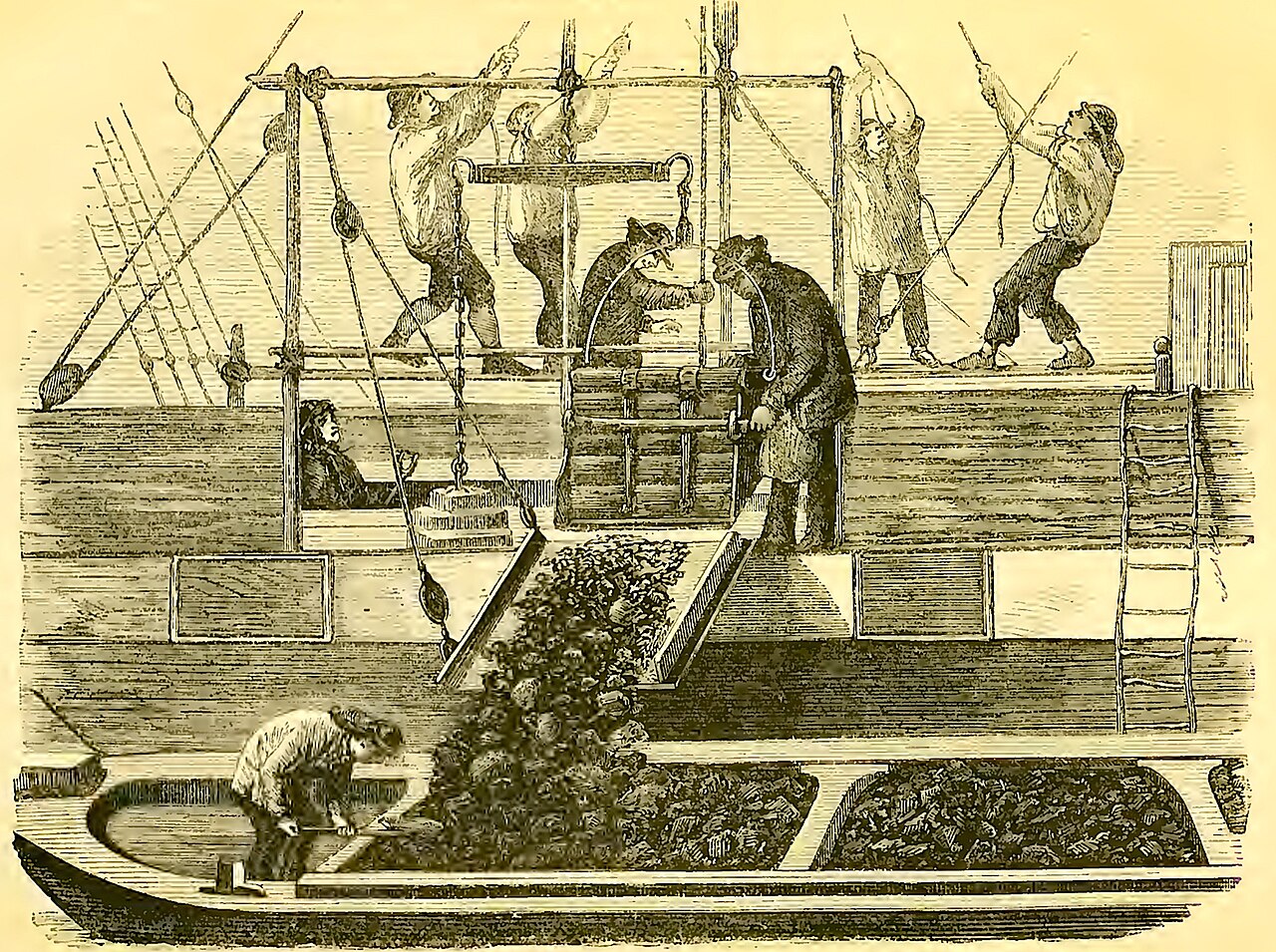
Mayhew's most enduring contribution emerged from a series of newspaper articles published in the Morning Chronicle, later compiled into the three-volume work London Labour and the London Poor in 1851. Organizing his subjects into those who 'will work, can't work, and won't work,' he conducted interviews with an extraordinary range of people: beggars, Punch and Judy men, market traders, prostitutes, sweatshop labourers, mudlarks who scavenged the Thames banks for wood and rope, and 'pure-finders' who collected dog faeces for tanners. He documented their clothing, dwellings, customs, and estimated their numbers and incomes with meticulous care. The 1861 edition added a fourth volume, co-written with Bracebridge Hemyng, John Binny, and Andrew Halliday, taking a more statistical approach to the lives of prostitutes, thieves, and beggars. The work painted a vivid picture of precarious existence in what was then the world's richest city. Some street traders resented his portrayals and formed a Street Trader's Protection Association in the summer of 1851. Mayhew also drew on illustrators he had met through Punch, employing them to create images from daguerreotypes.
Gallery
Frequently Asked Questions
Who is Henry Mayhew?
Henry Mayhew (1812–1887) was an English journalist, playwright, and social reformer best remembered for his pioneering documentation of Victorian London's working class and poor.
What role did Henry Mayhew play at Punch magazine?
In 1841, Mayhew co-founded the satirical periodical Punch and served as its joint editor alongside Mark Lemon, helping shape the publication's early editorial direction.
What is London Labour and the London Poor?
Published in 1851 as a three-volume work, it is Mayhew's most celebrated project—a detailed social survey built from firsthand interviews with London's laborers, street vendors, and destitute residents.
Why is Henry Mayhew considered important in journalism history?
He is widely regarded as a pioneer of social-reportage journalism because his direct, empathetic interviews with the city's poorest citizens created one of the earliest systematic records of working-class life in England.
What were Henry Mayhew's main areas of work?
Across his career he moved among journalism, playwriting, and social research, consistently using his platform to advocate for reform on behalf of the underprivileged in Victorian society.
More in Investigative Journalists And Editors 1-22
Spotted an error? Know more?
This is a living reference — every entry is fact-audited, and reader corrections feed straight into our audit queue. Suggest an edit · See this site's audit record